

July 27, 2026 · SECURITY
AI for cybersecurity: when the model refuses
Frontier AI guardrails now refuse legitimate cybersecurity work, as the Hugging Face breach showed. How to do AI security work when your model says no.
Insights
Articles, rubrics, and operating notes from AI engagements with Philadelphia-area teams.
July 27, 2026 · SECURITY
Frontier AI guardrails now refuse legitimate cybersecurity work, as the Hugging Face breach showed. How to do AI security work when your model says no.
July 13, 2026 · EVALUATION
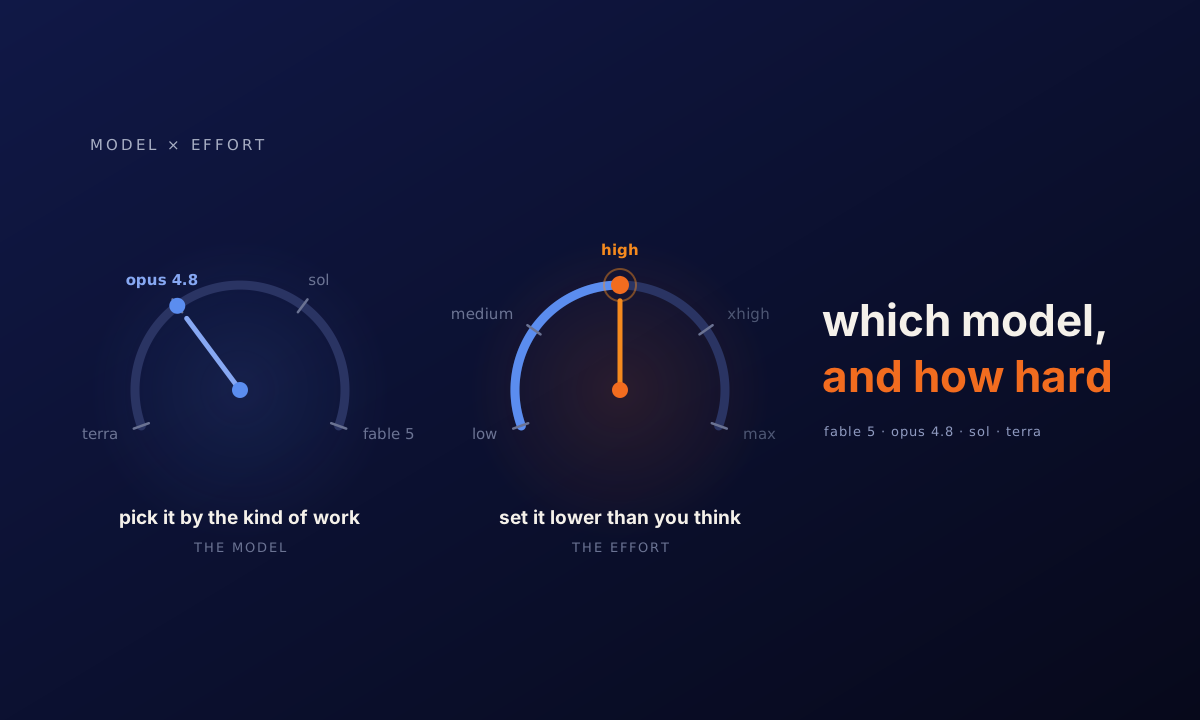
Which AI coding model to use, when, and how hard to make it think. A practical guide to Claude Fable 5 and Opus 4.8 against GPT-5.6 Sol and Terra.
July 9, 2026 · COST
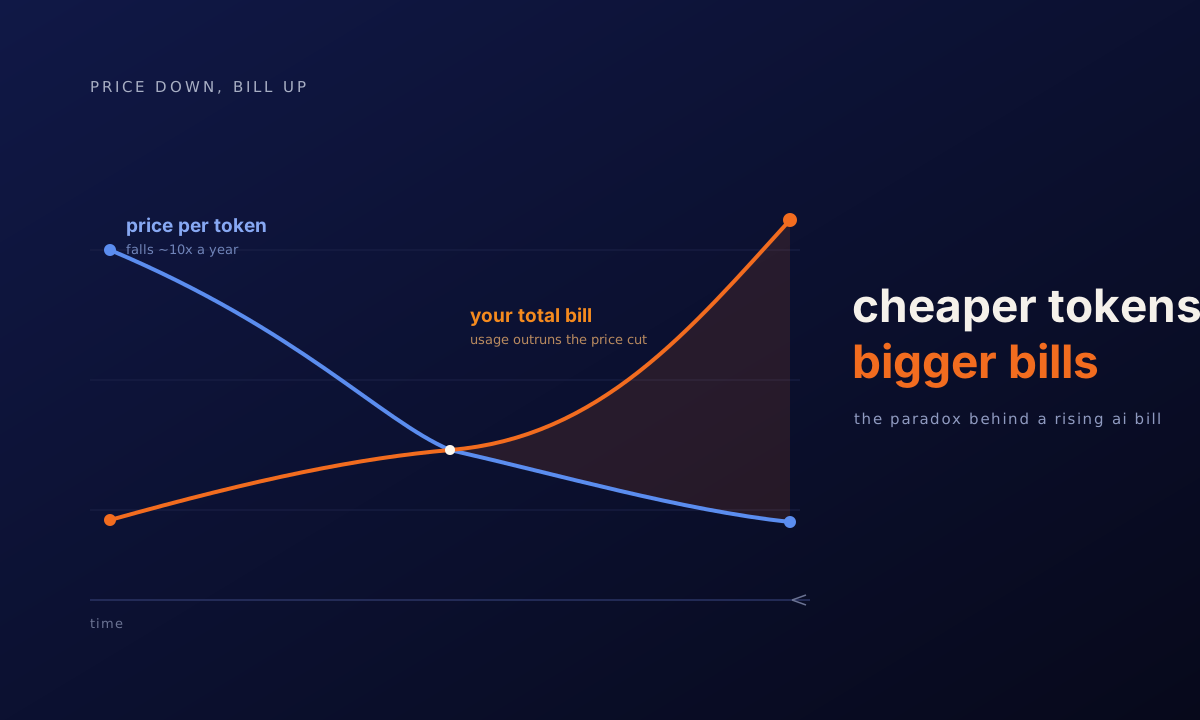
AI tokens keep getting cheaper, yet AI bills keep climbing. Here is why that happens, and a clear playbook for getting your AI token costs under control.
July 9, 2026 · DOCUMENT AI
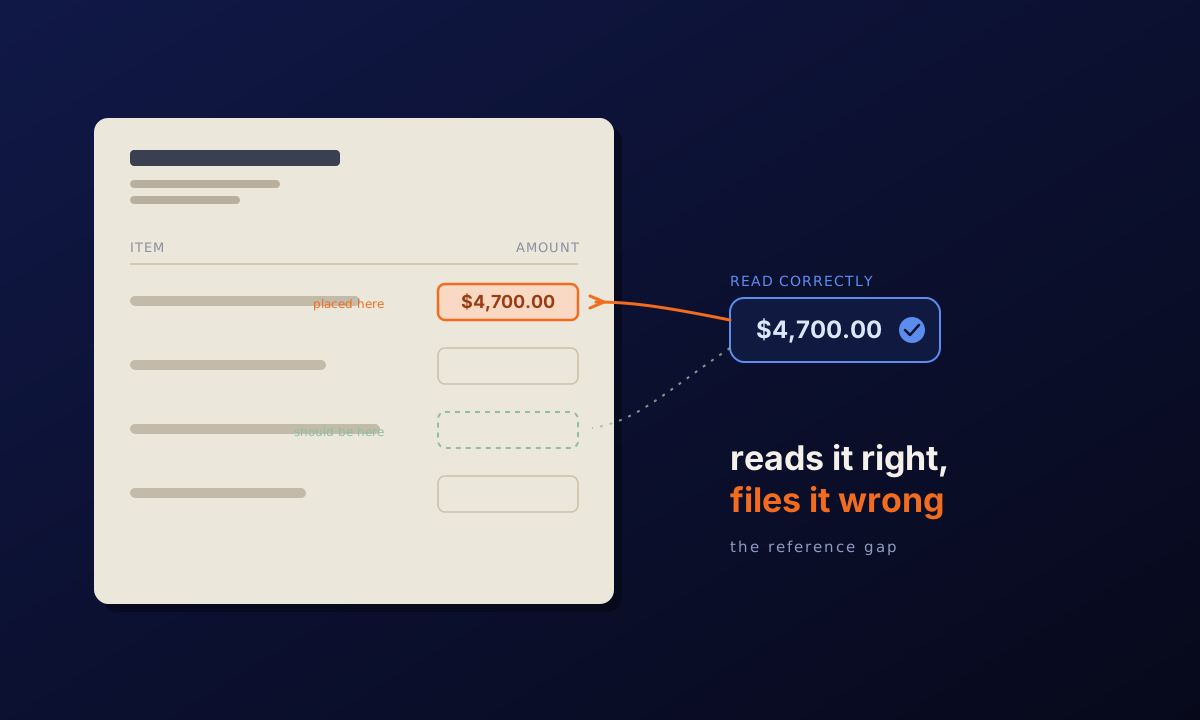
Document AI can read a file almost perfectly and still place the total, the clause, or the footnote wrong. Here is the gap buyers miss, and how to test for it.
July 3, 2026 · SECURITY
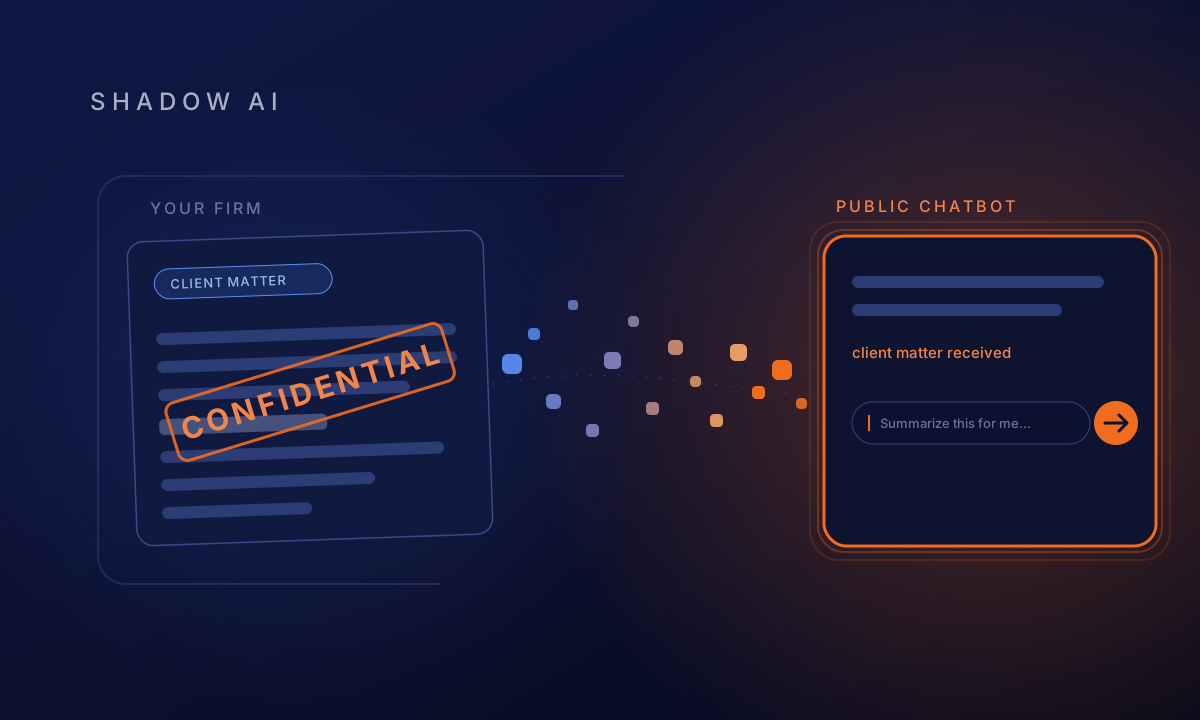
Your staff are already pasting client data into chatbots. Here is where it goes, why blanket bans fail, and how to give AI a safe path through your firm.
June 26, 2026 · EVALUATION
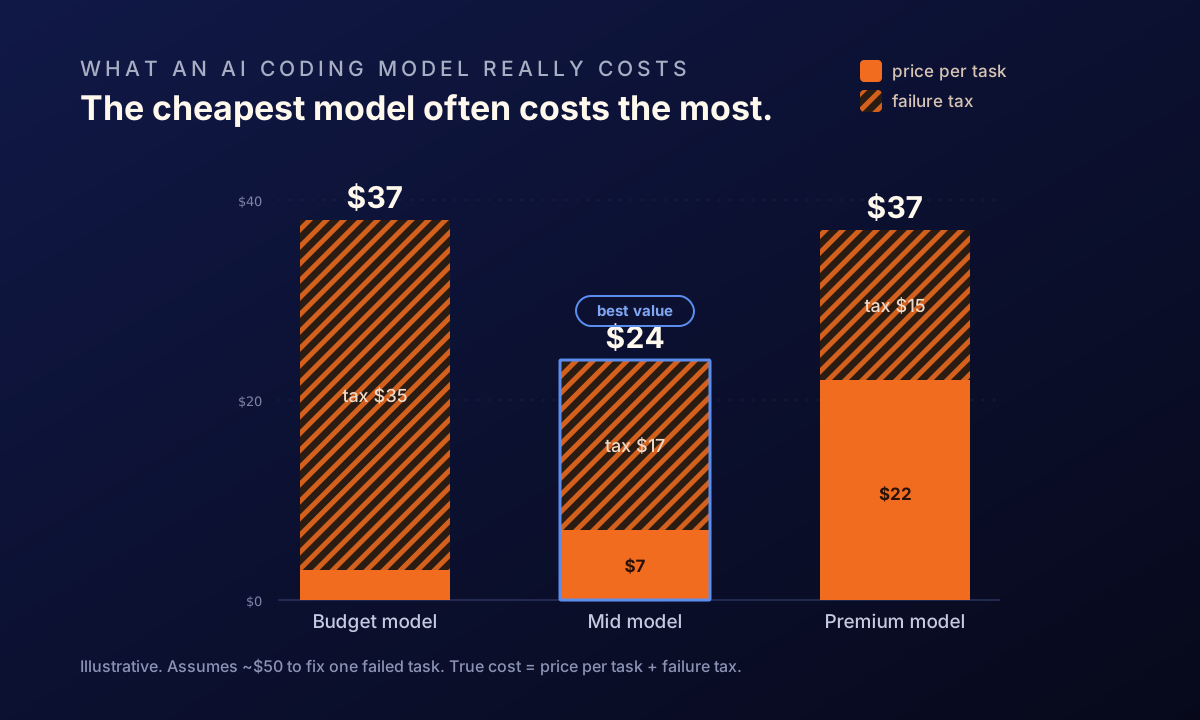
Coding leaderboards rank accuracy, not value. Once you count the failure tax (what a model's mistakes cost to fix), a cheaper coding model often costs more.
June 24, 2026 · EVALUATION
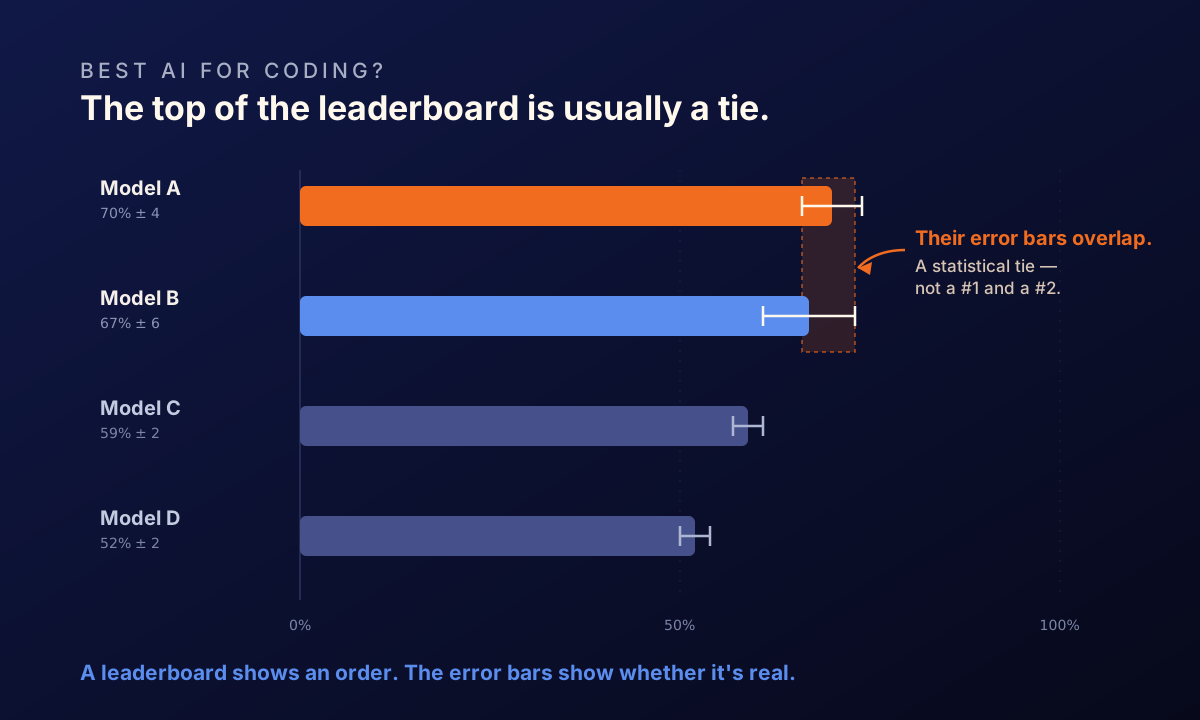
There is a real answer to 'which AI model codes best' — as of mid-2026, a small group leads the most rigorous public test. But the ranking is the least useful part. Here's what the data shows, why the top of a leaderboard is usually a statistical tie, and how to actually compare models for your own work.
June 22, 2026 · AGENTS
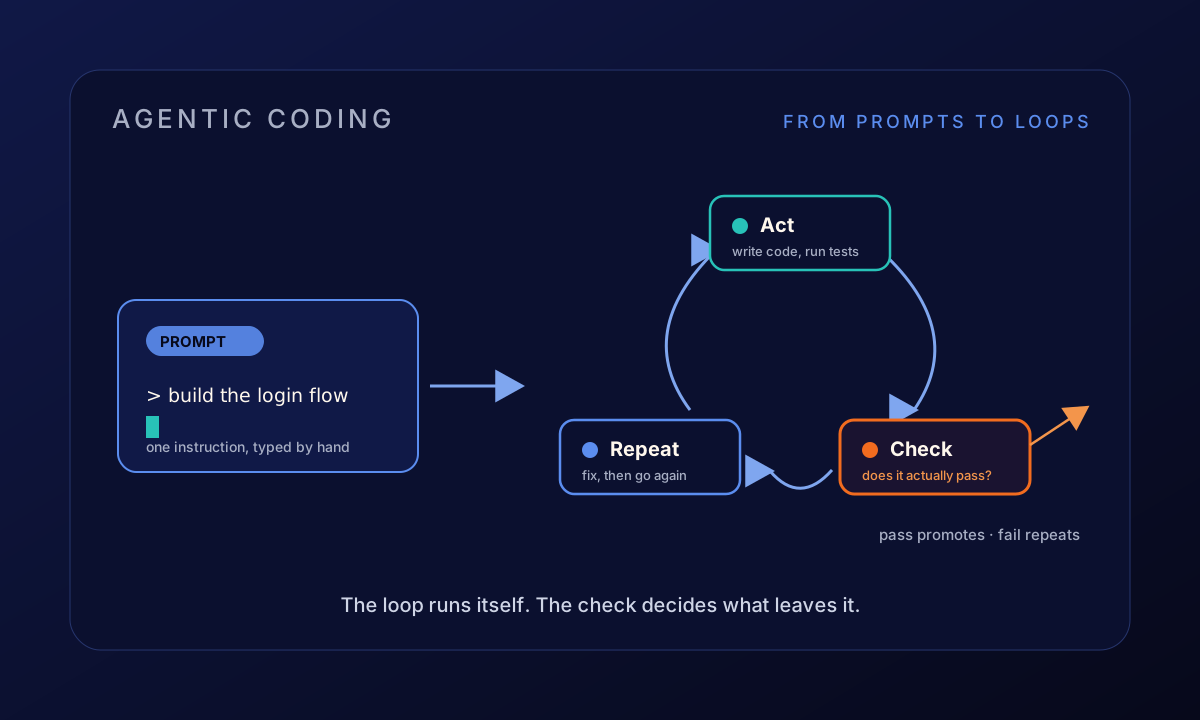
The big shift in coding right now: stop prompting agents and design loops that prompt them. It is real and powerful, and a strong check is what makes it pay off.
June 19, 2026 · STRATEGY
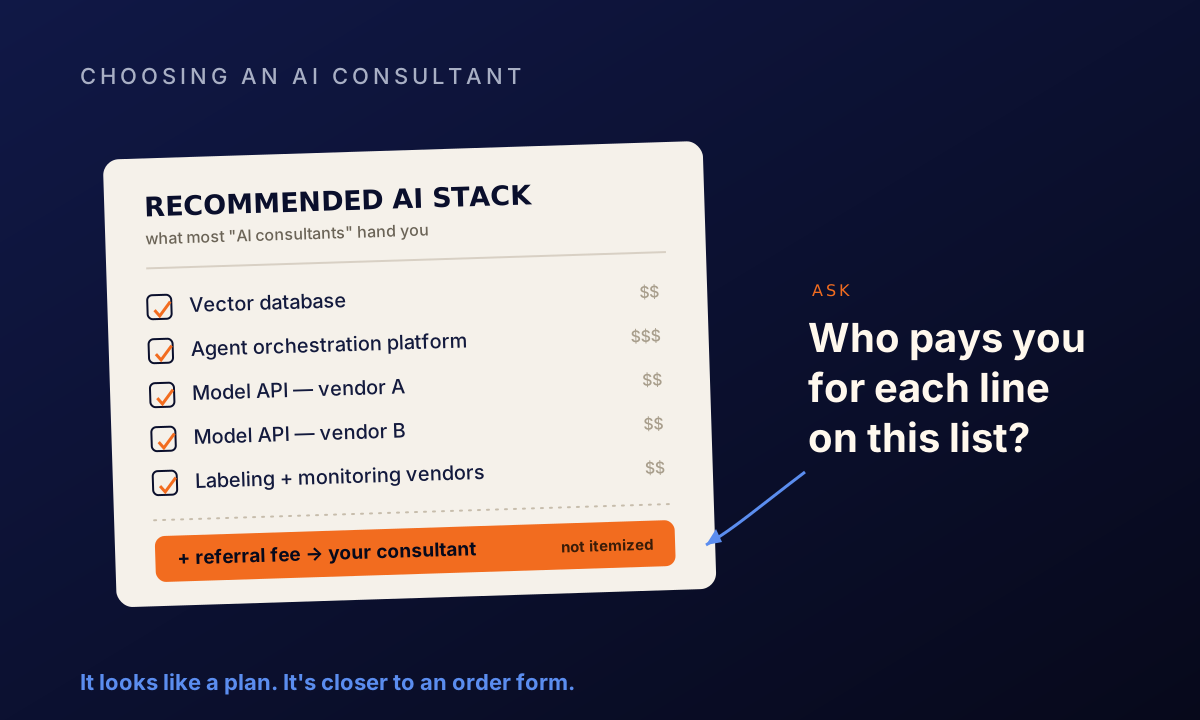
Many AI consultants hand you a shopping list of tools to install — and that list often reflects who pays them, not what fits you. How to tell a strategic advisor from a reseller, and the questions that expose the difference.
June 18, 2026 · STRATEGY
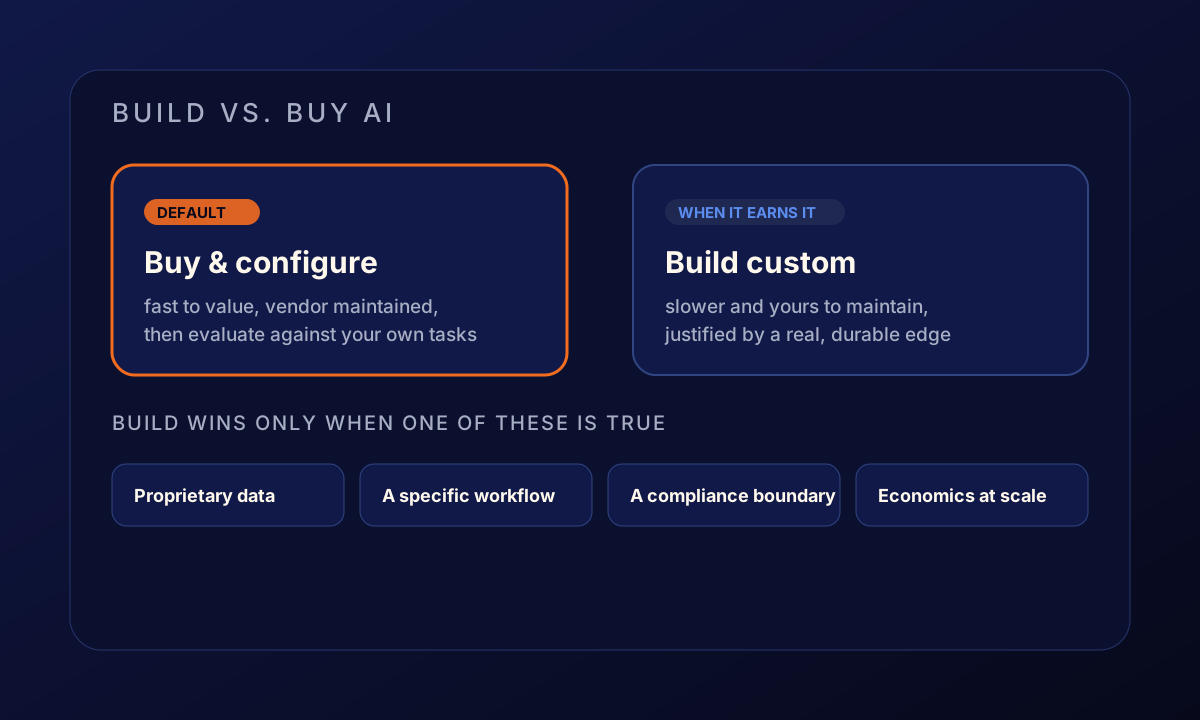
For most AI work the honest default is buy, configure, and evaluate. Building is worth it only when something specific makes the off-the-shelf option genuinely worse for you. How to tell which case you are in.
June 13, 2026 · AGENTS
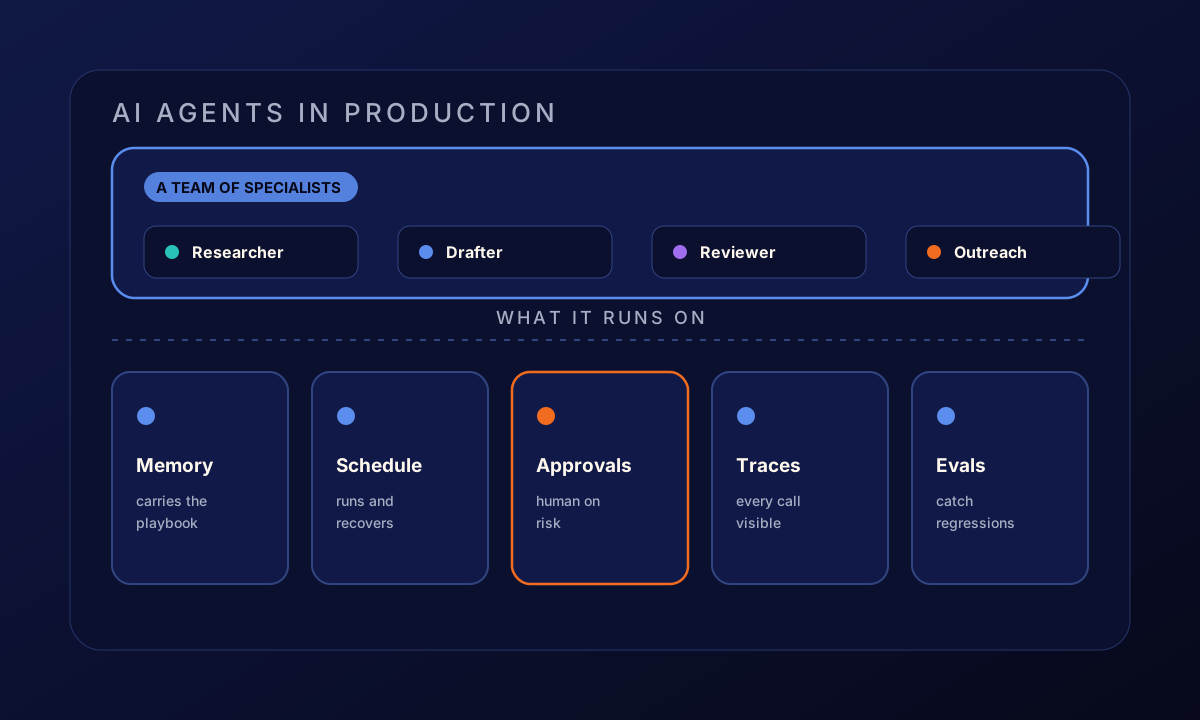
Getting an AI agent to run real work reliably is less about the model than the system around it: memory, recovery, approvals, traces, and evals.
June 4, 2026 · DUE DILIGENCE
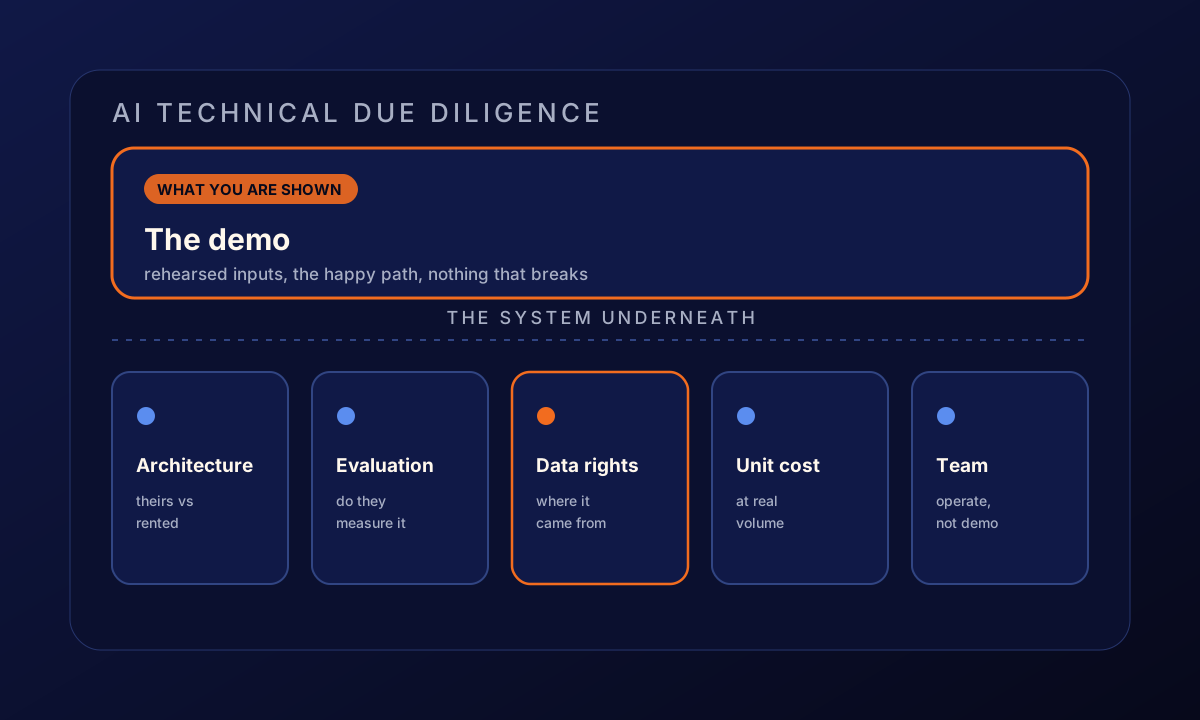
A great AI demo can be built in a weekend on someone else's model. Before you wire a vendor into your workflow and hand it your data, here is how to tell a real product from a thin wrapper — and what to put in the contract before you sign.
May 21, 2026 · STRATEGY
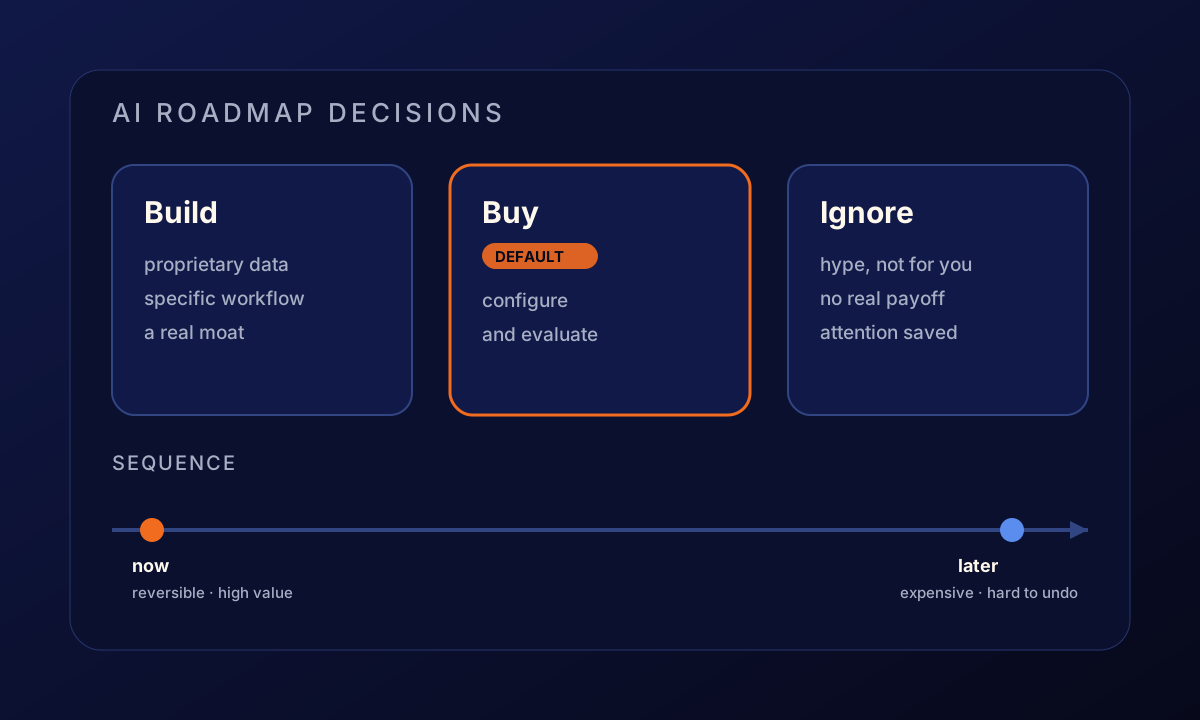
Most AI roadmaps are a ranked wishlist nobody acts on. A real one decides what to build, what to buy, what to ignore, and in what order. How to tell the difference.
May 7, 2026 · EVALUATION
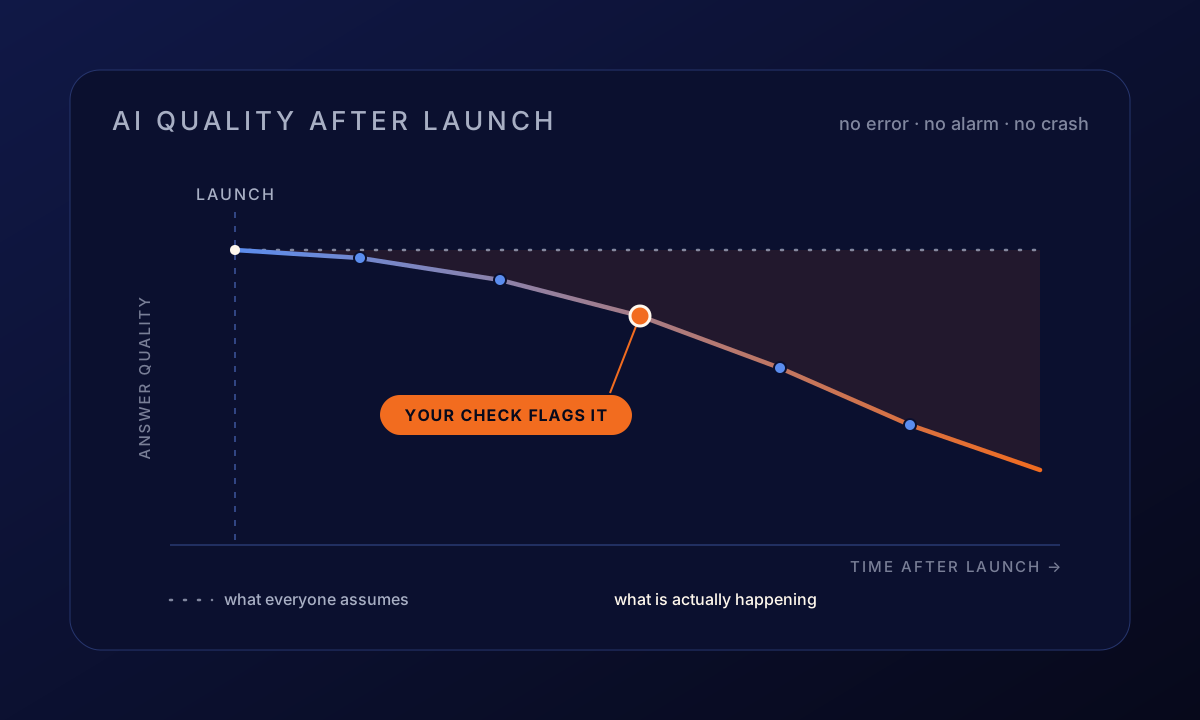
An AI tool can get worse after launch without anything breaking — the model changes, your documents change, and the answers quietly drift. Here is how to tell, in plain terms, before your customers do.
April 15, 2026 · EVALUATION
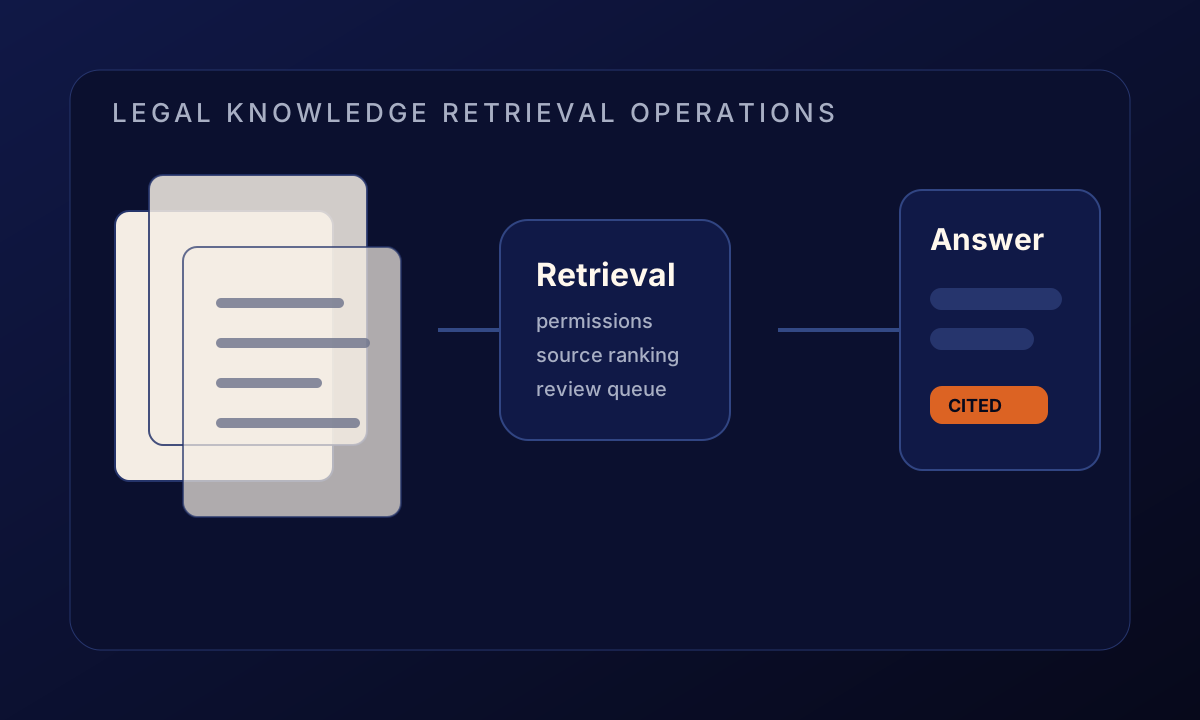
Law firms run serious diligence on most vendors, then evaluate the one drafting their research on a demo. What to actually test before an associate relies on legal AI.
Also from ideius
Beyond these field notes, we publish in-depth studies from our own systems — agent reliability and model quantization, run on real hardware and reported with full methodology and limitations.